
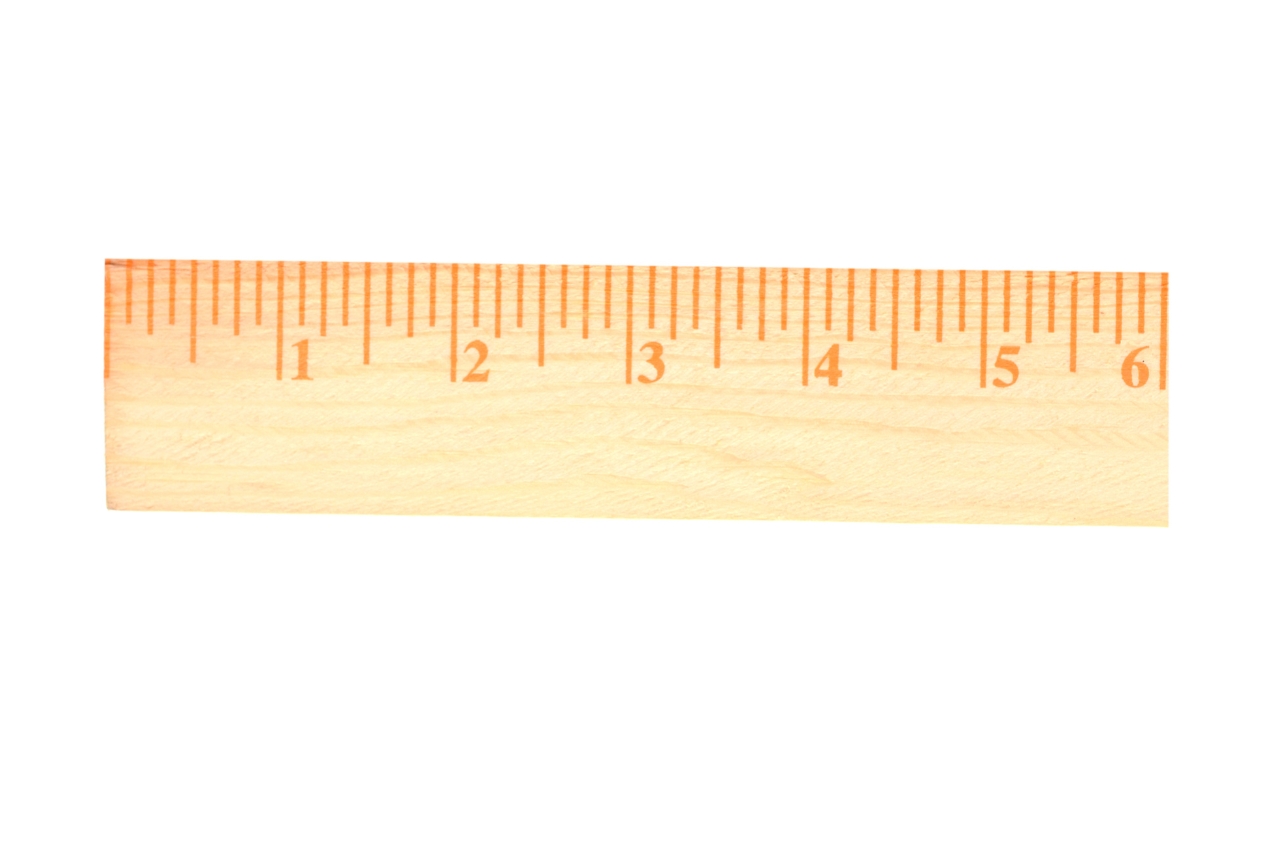
Six inches is exactly half of one foot—or about 15.24 centimeters if you prefer the metric system. It’s a measurement that shows up constantly in everyday life, from recipes to furniture dimensions to screen sizes. Yet when someone mentions “about 6 inches,” many of us still find ourselves guessing or reaching for our phones to visualize it. The best way to understand 6 inches isn’t through abstract numbers—it’s through real objects you actually interact with regularly.
This article walks through 20 everyday items that are genuinely 6 inches long or close to it (within a half-inch either way). By the end, you’ll have reliable mental reference points that make it easy to visualize this measurement instantly—whether you’re cooking, decorating, shopping, or trying to picture how something will fit in your space.
Quick Conversion Reference
Inches to Metric Converter
Before we dive into the visual examples, here’s what 6 inches equals in other measurement systems:
| Measurement Unit | Equivalent Value |
|---|---|
| Centimeters (cm) | 15.24 cm |
| Millimeters (mm) | 152.4 mm |
| Feet | 0.5 feet |
| Meters (m) | 0.1524 m |
This conversion reference is helpful if you’re working with international products, online shopping from other countries, or comparing dimensions across different measurement systems. Metric measurements are becoming increasingly common in U.S. product specifications, so knowing these conversions makes shopping and planning easier.
Why 6 Inches Matters
Before we dive into the list, it’s worth understanding why this particular measurement shows up so often. Six inches sits right at that practical midpoint—small enough to hold in your hand comfortably, but large enough to be visually significant. It’s the standard halfway point on a ruler. It’s about the depth of most kitchen cabinet shelves. It’s the height of a standard drinking glass. It’s the length of many common office tools. Once you lock down what 6 inches actually looks like, countless everyday decisions become simpler and faster.
1. A Standard Flashlight
Many handheld flashlights, particularly the compact ones you find in junk drawers or emergency kits, measure right around 5.5 to 6.5 inches in length. A standard tactical or household flashlight is designed to fit comfortably in your hand, and that dimension is almost always around 6 inches. If you’ve got a flashlight in your home—and most people do—you have an actual 6-inch object you can grab right now to see exactly what this measurement looks like.
2. Your Smartphone
Modern smartphones are designed to be handheld, and most measure right around 6 inches in length. An iPhone 15 is 5.81 inches tall. A Samsung Galaxy S24 is 5.99 inches. A Google Pixel 8 is 5.92 inches. If you hold your phone vertically right now, the distance from the bottom to the top is essentially 6 inches. Since most people have their phone within arm’s reach at every moment, this is probably your most practical and accessible reference point.
3. A Dollar Bill
A U.S. dollar bill measures 6.14 inches in length and 2.61 inches in width. Hold a single dollar bill horizontally and you’re looking at essentially 6 inches. Money is something virtually everyone has regular access to, making it an incredibly practical reference tool when you need a quick visual estimate. This is also a reference you can literally use while shopping or traveling.
4. A Standard Ballpoint Pen
Your average ballpoint pen—the kind you find in office supply bins and desk drawers everywhere—measures roughly 5.7 to 6.1 inches when uncapped. This makes a pen one of the most accurate everyday comparisons for 6 inches. Grab a pen from your desk right now and you have a perfect tactile reference. Many of us use pens daily, so the mental image sticks immediately.
5. A Paint Brush
A standard paintbrush with a wooden handle, the kind you’d buy at any art or hardware store, typically measures between 5.5 and 6.5 inches long. If you’ve ever painted anything—a canvas, a wall, a craft project—you have a direct physical memory of holding exactly 6 inches in your hand. The weight and feel of a brush is a sensory reference that makes 6 inches memorable.
6. A Standard Greeting Card
Many greeting cards measure exactly 6 inches on one dimension. A traditional folded greeting card often comes in dimensions like 5.5 x 8.5 inches or 6 x 4.5 inches, making 6 inches one of the standard card dimensions. If you have greeting cards in your home or office—and most people do—you can check one right now to see what 6 inches looks like in card format.
7. A Standard Envelope
A standard business envelope measures 6.125 x 3.625 inches, making it very close to 6 inches on the length. Envelopes are everywhere—in junk mail, bills, and office supplies. Because envelopes are flat and rectangular, they give you a clear rectangular reference for the 6-inch dimension. If you receive any mail at all, you have this reference available instantly.
8. A Standard Drinking Glass
Many drinking glasses sit right around 5 to 6 inches tall when standing upright. Some water glasses are closer to 5.5 inches, while larger glasses might hit 6.25 inches. Since most households have multiple drinking glasses and people use them multiple times daily, this is an accessible mental reference. Next time you pour a drink, notice how tall the glass is.
9. A Dry Erase Marker
A standard dry erase marker used for whiteboards and glass surfaces typically measures between 5 and 6 inches in length. These are common in offices, schools, and homes with whiteboards. If you have a dry erase marker handy (and most offices and many homes do), it’s a quick way to see what 6 inches looks like. The marker is substantial enough to feel like a real measurement.
10. A Standard Stapler
A typical desk stapler sits around 5.5 to 6 inches in length. If you work in an office or have a stapler at home, you likely interact with it regularly. A stapler is easy to grab and hold, making it a solid tactile reference point for 6 inches. The familiar shape of a stapler makes the measurement stick in your memory.
11. A Small Bluetooth Speaker
Many portable Bluetooth speakers—the kind people carry on trips or use in dorm rooms—measure around 5 to 6 inches in length. Devices like the original Amazon Echo Dot or similar compact speakers fit nicely in this range. If you own a small speaker, you have a 6-inch reference that’s probably sitting somewhere visible in your home right now.
12. A Small Hardcover Book
Some hardcover books, particularly children’s books or specialty editions, are designed with widths around 6 inches. A small hardcover book standing on a shelf gives you a clear vertical or horizontal reference for 6 inches depending on how you orient it. If you have books in your home, you likely have at least one that’s close to this dimension.
13. A Standard Postcard
A standard postcard measures 5.5 x 3.5 inches, making the 5.5-inch dimension very close to 6 inches. Postcards are thin and flat, making them easy to hold and visualize. If you’ve ever sent or received a postcard, you have a mental image of what 5.5-6 inches looks like in a flat, rectangular format. They’re also common enough that you can probably find one quickly.
14. A Tissue Box (Height)
Many facial tissue boxes sit around 5 to 6 inches tall depending on the brand and whether it’s a standard or small box. Because tissue boxes are colorful and visible in most bathrooms and many bedrooms, you probably see this measurement daily without thinking about it. Next time you look at a tissue box, notice how tall it is—it’s likely right around 6 inches.
15. A Small Notebook or Journal
Many pocket-sized notebooks and journals are designed to be roughly 6 inches in one dimension. A small memo pad or travel notebook often measures around 5.5 x 3.5 inches or 6 x 4 inches. If you carry a small notebook or have one on your desk, you have a portable 6-inch reference you can check anytime.
16. A Hair Brush
Many standard hair brushes measure around 5.5 to 6.5 inches in total length. The brush portion alone might be smaller, but the entire brush from bristles to handle is approximately 6 inches. If you use a hair brush daily, you have a frequently-handled object that represents this measurement. The familiar feel of holding a brush is a practical sensory reference.
17. A Toothpaste Tube
Standard toothpaste tubes typically measure around 5 to 6 inches tall when standing upright. While some travel sizes are smaller and some larger sizes are taller, the standard tube you see most often fits right in this range. Since everyone brushes their teeth and toothpaste tubes are kept visible in bathrooms, this is an extremely accessible reference point.
18. A Standard Pen Cap Plus Pen Body
Some pens, when you measure the cap and the body together, come to approximately 6 inches. While not every pen works perfectly for this, many do. This is useful because pens are objects you handle directly, giving you a tactile sense of the measurement. The familiar weight and balance of a pen in your hand makes this reference intuitive.
19. A Mouse or Computer Mouse Pad
Many computer mice measure around 5.5 to 6.5 inches in length from front to back. A standard wireless mouse is often right around this size. If you work on a computer regularly, you use this measurement daily without realizing it. You can quickly grab your mouse and see exactly what 6 inches looks like in a device you touch constantly.
20. From Closed Fist to Mid-Forearm
Here’s a human reference: if you close your fist and measure from your knuckles to approximately mid-forearm, that’s roughly 6 inches for an average adult. This measurement varies slightly by person (smaller hands and arms will be slightly less), but for most adults, this is reliable. The beauty of this reference is that you always have your own arm with you. You never need to find anything else—just look at your own hand and forearm.
Practical Applications
Understanding what 6 inches looks like matters in surprisingly practical ways. When you’re shopping for furniture online and a product description says a shelf is 6 inches deep, you can immediately visualize whether it will hold what you need. When a recipe calls for a 6-inch piece of ginger or a 6-inch length of herbs, you can cut it to the right size without measuring. When you’re coordinating with a contractor or designer who mentions 6-inch setbacks or clearances, you can visualize the actual space in your head.
The key is picking references that you interact with regularly enough that the mental image becomes automatic. For most people, a smartphone, a dollar bill, or a pen will become immediate go-to references. The advantage is that you don’t need to memorize all 20 of these—just identify the two or three that are most accessible to your daily life and lock those in.
Final Thoughts
Six inches is a measurement that shows up constantly in everyday life, yet many people struggle to visualize it accurately without pulling out a measuring tool. By grounding this abstract number in concrete, tangible objects you handle or see regularly, you transform it from a confusing metric into something instantly understandable. Whether you grab your phone, pull out a dollar bill, check a pen, or look at your own hand and forearm, you now have multiple ways to picture exactly what 6 inches looks like. Next time someone mentions a 6-inch measurement, you won’t need to pause and convert—you’ll simply have a clear visual reference in mind from the everyday objects around you.
